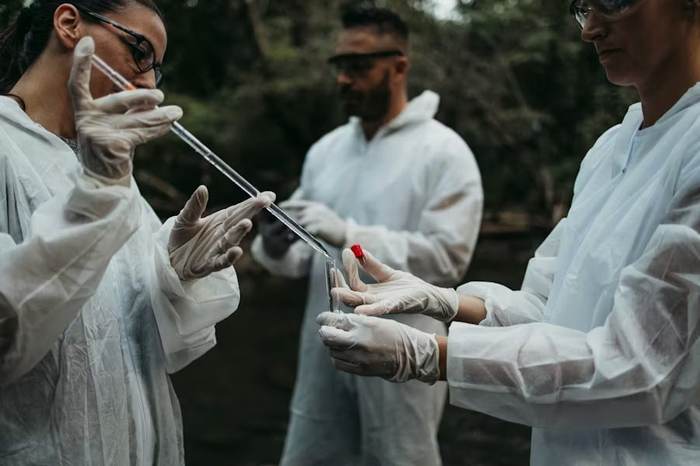
When Phase I identifies recognized environmental conditions, Phase II confirms whether contamination exists. Subsurface investigations with soil borings, groundwater monitoring wells, and laboratory analysis — all performed locally in Puerto Rico.Cuando la Fase I identifica condiciones ambientales reconocidas, la Fase II confirma si existe contaminación. Investigaciones del subsuelo con perforaciones, pozos de monitoreo de aguas subterráneas y análisis de laboratorio — todo realizado localmente en Puerto Rico.
Request a Phase II QuoteSolicitar Cotización Fase IIA Phase II ESA involves the physical collection and laboratory analysis of soil, groundwater, and soil vapor samples to determine whether contamination exists at a property. It moves from historical research to hard data.
AES designs each Phase II investigation based on the specific RECs identified in the Phase I assessment. Our sampling plans target suspected source areas, migration pathways, and potential receptors.
Because our laboratory and field teams are both based in Puerto Rico, we deliver faster turnaround and tighter coordination than mainland firms shipping samples off-island.
Review Phase I findings, design sampling locations and analytical program targeting identified RECs.Revisar hallazgos de Fase I, diseñar ubicaciones de muestreo y programa analítico dirigido a RECs identificados.
Soil borings, monitoring well installation, groundwater sampling, and soil vapor collection.Sondeos de suelo, instalación de pozos de monitoreo, muestreo de aguas subterráneas y recolección de vapor del suelo.
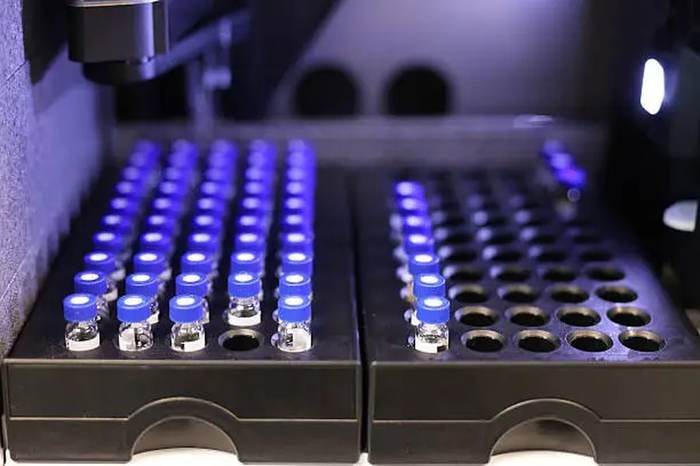
Samples analyzed using EPA methods. Local lab means faster results and secure chain of custody.
Comprehensive report with findings, risk evaluation, contaminant maps, and recommendations.Informe completo con hallazgos, evaluación de riesgos, mapas de contaminantes y recomendaciones.
Typically recommended when a Phase I identifies recognized environmental conditions (RECs) — evidence of potential contamination warranting investigation.
Subsurface soil sampling, groundwater monitoring well installation, laboratory analysis, and a written report with findings and recommendations.
Typical turnaround is 3–4 weeks including field work, lab analysis, and report preparation. Timelines depend on site complexity.
We provide recommendations for remedial action, additional delineation, or risk assessment. We can manage the full remediation process.